
Pain after liposuction and a tummy tuck is one of the main concerns among patients considering these procedures. How painful is the recovery? Which days are the most difficult? How is postoperative pain managed? In this article, I will explain what you can expect during recovery and the medical strategies available to help manage discomfort.
Today, we have different medical strategies to prevent and control postoperative pain, helping patients experience a more comfortable recovery.
To understand this better, it is important to know how pain feels after each procedure, what happens when liposuction and a tummy tuck are combined, and what can be done to manage discomfort effectively.

What Does Pain Feel Like After Liposuction?
Pain after liposuction is commonly described as tenderness, burning, pressure, or muscle-like soreness in the treated areas.
Many patients compare it to the soreness experienced after intense physical exercise, although the intensity may be greater and the sensation varies from person to person.
This happens because liposuction involves treating the subcutaneous fat using specialized cannulas, which produces a normal inflammatory response in the surrounding tissues.
During the first few days, patients may experience:
- Tenderness when touching the treated areas.
- A burning sensation.
- Swelling and tightness of the skin.
- Discomfort when changing positions.
- Bruising and areas of altered sensation.
The intensity of discomfort depends on several factors, including the number of areas treated, the extent of liposuction, the surgical technique, and each patient’s individual response.
In general, discomfort tends to be more noticeable during the first few days and gradually decreases afterward.
What Does Pain Feel Like After a Tummy Tuck?
Pain after a tummy tuck, also known as abdominoplasty, usually has different characteristics from the discomfort experienced after liposuction.
In addition to removing excess abdominal skin, some patients require repair of the separation between the rectus abdominal muscles, a condition known as diastasis recti.
When this repair is performed, patients frequently experience a sensation of tension or tightness in the abdomen.
Patients may describe this sensation as:
- Strong pressure in the abdomen.
- A feeling of very tight abdominal muscles.
- Temporary difficulty standing completely upright.
- Discomfort when getting up, lying down, coughing, or performing certain movements.
- A pulling or tight sensation in the lower abdomen.
During the first few days, these symptoms may temporarily limit everyday movements.
In general, some patients may experience less skin sensitivity after a tummy tuck than after abdominal liposuction. This is because lifting the abdominal skin during surgery can affect superficial sensory nerves, temporarily reducing sensation in the treated area.
In fact, it is common for patients to touch the skin of their abdomen and notice that sensation is different from normal.
However, reduced skin sensitivity does not necessarily mean that the overall surgical recovery will be less painful.
Which Is More Painful: Liposuction or a Tummy Tuck?
There is no single answer that applies to every patient.
Extensive liposuction can produce considerable discomfort, especially when several areas of the body are treated.
On the other hand, a tummy tuck that includes abdominal muscle repair may cause greater tightness and difficulty with certain movements.
The main difference is often the type of discomfort experienced:
Liposuction: Tenderness in the treated areas is usually more prominent, accompanied by swelling, burning, or muscle-like soreness.
Tummy tuck: Abdominal tightness and discomfort during movement are often more noticeable, especially when muscle repair is performed. Although the skin of the abdomen may be less sensitive after a tummy tuck, the overall intensity of pain varies among patients.
Both procedures require an individualized postoperative pain management plan.
What Happens When Liposuction and a Tummy Tuck Are Performed Together?
When these procedures are combined, the surgery is known as lipoabdominoplasty.
This procedure can address different components of abdominal contour, including localized fat deposits, excess skin, and, when indicated, abnormalities of the abdominal wall.
During recovery, patients may experience sensations associated with both liposuction and abdominoplasty.
For example, a patient may experience tenderness in the back or flanks from liposuction while simultaneously feeling tightness in the abdomen from the tummy tuck.
This does not necessarily mean that pain will be more intense. Instead, patients may experience different types of discomfort at the same time.
The key is appropriate surgical planning, a pain management strategy tailored to the procedure, and close medical follow-up.
How Many Days Does Pain Last After Liposuction and a Tummy Tuck?
Recovery varies from patient to patient, but there are general patterns that can help explain what to expect.
The First 24 to 72 Hours
These are often the days when discomfort is most noticeable.
Patients may experience abdominal tightness, swelling, tenderness in the treated areas, and difficulty performing certain movements.
During this period, treatment with a postoperative pain pump, when indicated, and close medical support can play an important role in managing discomfort.
Days Four Through Seven
Many patients begin to notice a gradual decrease in pain.
However, swelling, fatigue, and discomfort when changing positions may still be present.
It is important to continue taking prescribed medications and following postoperative instructions, even when recovery appears to be progressing well.
During the Second Week
Mobility generally improves, and many everyday activities begin to feel easier.
Abdominal tightness and tissue sensitivity may continue, but these sensations usually decrease progressively.
Some patients may begin returning to work, depending on the procedures performed and their surgeon’s approval.
Weeks Three Through Six
Acute postoperative pain has usually decreased considerably in many patients.
However, swelling, tenderness, temporary firmness of the tissues, and sensations of tightness may persist.
Even when discomfort improves, this does not mean that all tissues have completely healed.
After Six Weeks
Most patients continue gradually returning to their usual activities according to their individual recovery.
Residual swelling and changes in sensation may continue for several months.
If persistent, severe, or progressively worsening pain occurs at any stage of recovery, a medical evaluation is necessary to determine its cause.
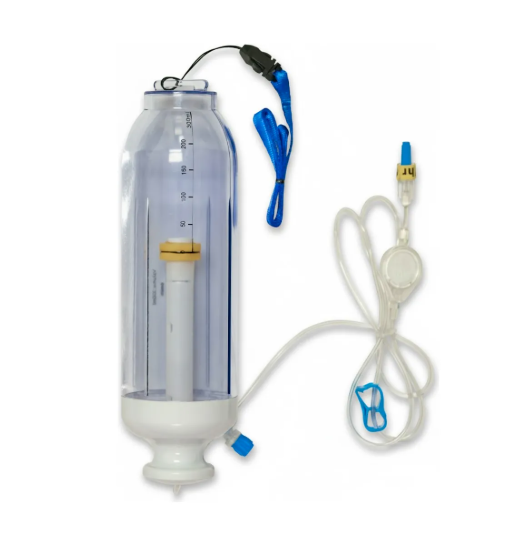
Postoperative pain pump
How Is Pain Managed After Liposuction or a Tummy Tuck?
Pain management is one of the most important aspects of surgical planning.
In modern plastic surgery, postoperative discomfort can be managed using an approach known as multimodal analgesia.
This involves combining different medications and techniques that act through different pain-control mechanisms.
Depending on the procedure and each patient’s medical characteristics, the following options may be considered:
1. Pain Medications
The medical team establishes a medication regimen designed to control discomfort during recovery.
The selection of medications depends on the patient’s medical history, type of surgery, possible drug interactions, and other individual factors.
2. Regional Anesthesia and Nerve Blocks
In certain cases, regional anesthesia techniques, such as abdominal wall nerve blocks, may be used to reduce postoperative pain.
When these blocks are performed while the patient is under general anesthesia, the patient does not feel discomfort during their administration.
3. Postoperative Pain Pumps
These devices can continuously deliver intravenous pain medication during the first few days after surgery.
Because the medication is administered directly into the bloodstream, its effects may begin faster than those of oral medications.
Depending on the surgical and anesthesia protocol, pain pumps may be used for several days. In some protocols, they are used for approximately the first five days after surgery.
Their use and duration depend on the type of procedure and the treatment plan established with the anesthesia team.
4. Postoperative Care and Early Mobilization
Appropriate resting positions, authorized movements, incision care, and supervised early mobilization are also important components of recovery.
Remaining completely immobile for prolonged periods may increase the risk of deep vein thrombosis.
In my practice, I believe that planning postoperative pain control before surgery, together with the anesthesia team, is essential. Treatment should be adapted to each patient’s individual needs.
The goal is to promote a more comfortable recovery while recognizing that these are major surgical procedures that can cause pain.
When Is Pain After Liposuction or a Tummy Tuck No Longer Normal?
Although some degree of pain and swelling is expected after surgery, certain symptoms require medical attention.
You should contact your surgeon promptly if you experience:
- Pain that progressively worsens instead of improving.
- Significant pain that does not respond to prescribed medication.
- Sudden or asymmetric swelling in the surgical area.
- Increasing redness, fever, or suspicious drainage from the incision.
- Pain, swelling, or unusual tenderness in one leg.
Difficulty breathing, chest pain, or fainting require immediate emergency medical attention.
Pain should never automatically be dismissed as a normal part of surgical recovery.
Frequently Asked Questions About Pain After Liposuction and a Tummy Tuck
Will I Feel Pain During Surgery?
When these procedures are performed under general anesthesia, the patient remains unconscious and does not feel pain during the operation.
The appropriate type of anesthesia must be determined individually by the anesthesiologist.
Is a Tummy Tuck Very Painful?
A tummy tuck can cause discomfort and abdominal tightness, especially during the first few days after surgery.
Pain intensity varies, and different pain management strategies can help reduce it.
It would not be appropriate to promise that every patient will experience only mild discomfort. Some patients may experience more significant pain.
The important thing is to have close medical follow-up so that your surgeon can evaluate your recovery and implement the appropriate measures to make the process as comfortable as possible.
Which Is More Painful: Back Liposuction or a Tummy Tuck?
Back liposuction commonly causes greater tenderness when the treated areas are touched or when certain positions are adopted.
A tummy tuck, on the other hand, may cause greater abdominal tightness during movement.
Some patients report more pain or skin sensitivity after liposuction than after a tummy tuck, although this varies depending on the extent of surgery and each patient’s individual response.
Is Burning Pain Normal After Liposuction?
A burning sensation may occur during recovery.
However, if the sensation becomes very intense, progressively worsens, or is accompanied by changes in the skin, medical evaluation is necessary.
Can You Sleep Comfortably After a Tummy Tuck?
During the first few days, finding a comfortable sleeping position may be challenging.
Your surgical team will explain how to rest and which positions are appropriate according to your procedure.
Will I Experience Pain for Several Months?
Acute postoperative pain generally decreases during the first two weeks.
However, some discomfort, changes in sensation, or feelings of tightness may persist longer.
Persistent pain should be evaluated and should not be considered an inevitable part of recovery.
A Well-Planned Surgery Also Includes Pain Management
When patients consider liposuction or a tummy tuck, it is natural for them to focus on the aesthetic results they hope to achieve.
However, I believe it is equally important for patients to understand what their recovery will involve.
My goal as a plastic surgeon is to help you make an informed decision by explaining the possibilities of each procedure, its risks, the discomfort that may occur, and the available strategies to manage it.
Peace of mind should not come from a promise of painless surgery, but from understanding what to expect and having an appropriate medical plan in place.
If you are considering improving your abdominal contour and would like to know whether liposuction, a tummy tuck, or a combination of both procedures is appropriate for you, the first step is an individualized consultation.
During your consultation in Medellín, Colombia, we can evaluate your needs, discuss your expectations, and explain the surgical procedure and recovery process.
For additional information about recovery after a tummy tuck, you can consult the American Society of Plastic Surgeons – Tummy Tuck Recovery.