
Summary: A before-and-after plastic surgery gallery is a useful tool for understanding a surgeon’s aesthetic judgment, but it isn’t a promise of a result. What no photograph shows you matters just as much: that person’s starting point, their medical history, how their healing progressed, and what support they received. The right question isn’t “do I like this result?” but “what was the process to get there?”
A before-and-after gallery can spark hope, answer questions, or create unrealistic expectations if you look at it without context. These images aren’t a promise that two bodies will respond the same way to the same procedure. They are, instead, a valuable tool for understanding a surgeon’s aesthetic judgment, their respect for anatomy, and the kind of result they aim for in each patient.
Looking at these photographs calmly lets you see beyond the visible change. The question shouldn’t only be «do I like this result?» but also «does it look consistent with this person’s anatomy, their age, their proportions, and their goals?». That distinction is essential when you’re making a decision that involves your health, your recovery, and your emotional wellbeing.
This article is, essentially, the reading manual I’d want you to have before looking at any gallery. Mine included.

What Can a Before-and-After Gallery Actually Show You?
A good gallery offers a realistic sample of a surgeon’s work. It can help you identify whether the results tend to be natural, balanced, and consistent with each patient’s features.
It also lets you recognize variety. Not all bodies have the same skin quality, fat distribution, muscle structure, or capacity to heal. Excellence isn’t about repeating a prefabricated shape — it’s about planning precisely enough to respect each person’s individuality.
In a liposuction or lipoabdominoplasty, look at the relationship between waist, abdomen, back, and hips. A more defined abdomen may require treating several contours to avoid abrupt transitions. In a breast augmentation, assess how the volume fits the chest, the position of the breasts, and the quality of the tissue. In a blepharoplasty, notice the smoothness of the eyelid and whether the gaze still looks like the same person.
Images can reveal aesthetic sensibility, but they don’t replace a medical evaluation. The right result for you depends on things a photograph doesn’t show: your medical history, the condition of your skin, previous procedures, habits, weight stability, expectations, and how well you can tolerate the recovery process.
What Can’t a Photograph Tell You?
Behind every image there’s a clinical and human story. That patient may have needed a primary surgery or the correction of a previous procedure. She may have had pregnancies, significant weight changes, marked laxity, or a particularly favorable starting anatomy. These circumstances change both the surgical plan and the achievable result.
You also don’t see the support that surrounded the process. Safety begins before the operating room, with a complete medical evaluation, a well-founded indication, and an honest conversation about risks. It continues with an appropriate technique, a safe surgical environment, and attentive postoperative follow-up. The reassurance of feeling heard throughout that journey doesn’t fit into an image, but it’s an essential part of quality care.
Scars are the clearest example. A photograph can show a discreet scar, but how it evolves depends on your individual biology, your aftercare, sun exposure, and time. A responsible surgeon will explain where they’ll be, what helps them mature better, and what limitations exist. Promising you invisible scars wouldn’t be honest.
And no result can guarantee absolute symmetry. Your body already has small differences before any surgery. The goal is to improve proportion and balance, not to impose an unreal perfection that only leads to frustration.
You should also understand clearly that surgery carries risks, and that unfavorable results do happen. Those are the things you won’t find in before-and-after galleries or on social media.
You may also be interested in: The Risks of Cosmetic Plastic Surgery: What You Need to Know Before Deciding
How Do You Compare Results Without Comparing Yourself to Others?
It’s natural to be drawn to a case that resembles what you want. Still, the most useful comparison isn’t with the patient in a photograph — it’s with your own anatomy and your own goals. Bringing references to your consultation makes the conversation easier, as long as you use them as a starting point rather than a model to be replicated.
Ask yourself what you actually want to improve. Maybe you’re not after a completely flat abdomen, but rather comfort after your pregnancies. Maybe you want more gluteal volume, but with a smooth, proportionate transition. Or you may want to rejuvenate your eyes without others noticing an obvious transformation. Telling me those motivations helps me build a more precise and safer plan.
During the consultation, it’s reasonable to ask what procedures would be recommended in your situation. It’s also worth asking what result would be inadvisable, which risks are relevant, and what degree of improvement is realistic. Clear answers — especially the ones that set limits — reflect respect for your decision.
In my practice, the conversation starts from exactly that individuality: understanding your goals, studying your proportions, and proposing a surgery that preserves naturalness, safety, and dignity. Not everyone is a candidate for the same procedure, and no aesthetic wish justifies taking unnecessary risks.
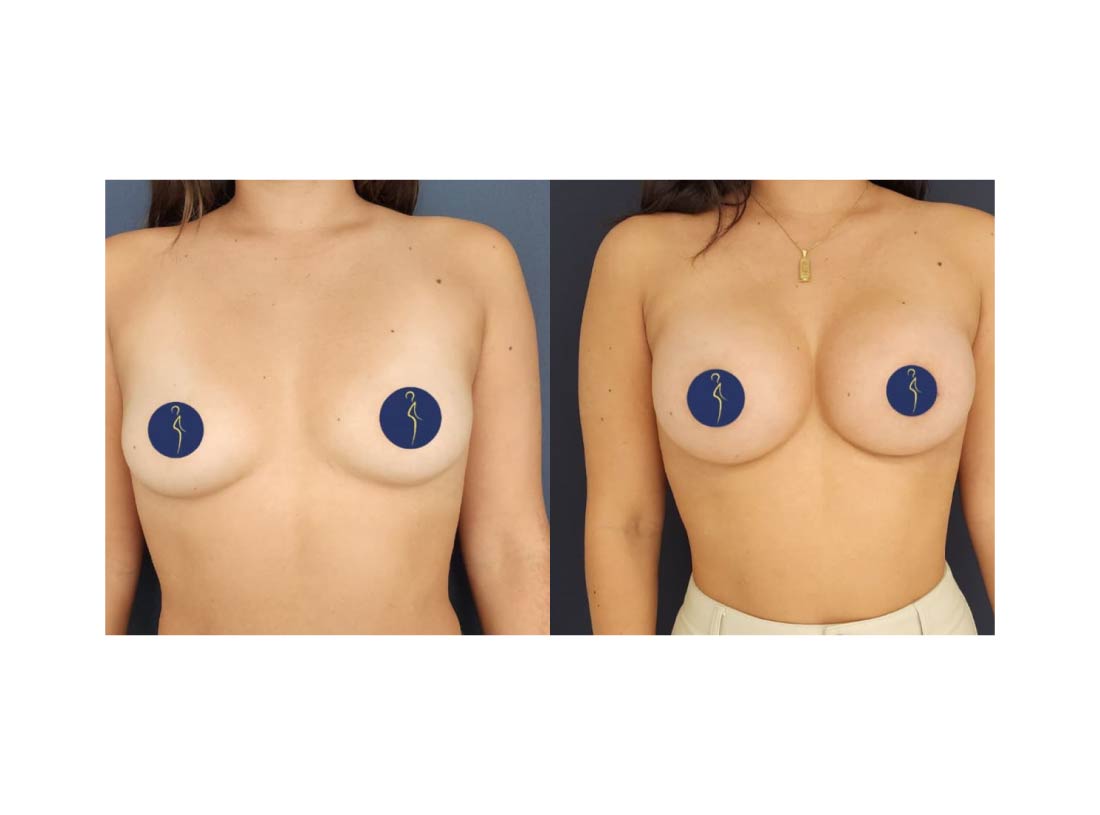
What to Ask When You Bring Photos to Your Consultation
Bringing references is useful and there’s nothing wrong with it. What changes the value of that conversation are the questions you ask around them:
- How long after surgery was this photograph taken?
- Was this result achieved with one procedure or several?
- Which part of this result would be achievable in my case, and which part wouldn’t?
- Understanding that there are no guaranteed results, could I expect something similar to this?
Remember that photos are only a reference. Every patient is different in anatomy and expectations. Don’t chase someone else’s result — look for the best one possible with your own characteristics.
Frequently Asked Questions
Can I expect the same result I see in a photo? Not necessarily. Your anatomical starting point, your skin quality, your medical history, and your healing process are different. A photograph shows what was possible for that person, not what will be possible for you.
How long after surgery should an “after” photo be taken? It depends on the procedure, but several months tends to be closer to the settled result. Images from a few weeks out still show swelling and scars in progress.
Is it normal for a surgeon not to show many photos? Yes. Many patients don’t authorize the use of their images, and respecting that decision is part of an ethical practice. A small gallery doesn’t indicate limited experience; what is reasonable is to ask in consultation about cases similar to yours.
Can I bring photos of other people to my consultation? Yes, and it helps the conversation. Use them to explain what you like and what you want to avoid, not as a result to be replicated. Your anatomy is the real starting point.
Let the Images Help You Ask Better Questions
Before you decide, let photographs help you formulate better questions rather than hold yourself to someone else’s result. A careful consultation is the right place to translate what you want into clear medical options, assess your safety, and choose a path that also gives you confidence during recovery.
If you’ve already looked through galleries and have questions about what’s achievable in your case, bring those images to your consultation. We’ll go through them together, I’ll tell you frankly which part of that result is reasonable for your anatomy and which part isn’t, and we’ll build a plan from there.


