Breast Augmentation – Augmentation Mammoplasty
Breast Augmentation in Medellín


Natural and Elegant Results with Breast Implants
If you are looking for breast augmentation in Medellín, augmentation mammoplasty, or breast implants in Colombia, Dr. John Orlas Blair offers a high-level surgical experience focused on safety, harmony, and natural-looking results.
Breast augmentation is one of the most requested plastic surgery procedures to improve breast volume, shape, and symmetry.
This procedure is also known as:
- Breast Augmentation
- Breast Implant Surgery
Benefits of Breast Augmentation






Preoperative Evaluation
The initial consultation is the most important step before breast augmentation surgery in Medellín, as it allows us to create a personalized treatment plan tailored to your goals while ensuring the highest standards of safety.
1
2
3
4
5
Preoperative Preparation
Required Tests
Typically include:
- Complete blood count
- Coagulation tests
- Pregnancy test
Additional tests may be required depending on age and medical conditions.
Medications to Avoid
You should discontinue the following at least 14 days before surgery (under medical supervision):
- Aspirin
- Ibuprofen
- Naproxen
- Warfarin
- Anti-inflammatory medications
- Omega-3 supplements
- Ginkgo biloba
- Green tea
- Vitamin E
- Garlic
Physical and Nutritional Preparation
- Maintain proper hydration
- Follow a balanced diet
- Avoid alcohol for at least 2 weeks
- Stop smoking at least 4 weeks prior to surgery
Day of Surgery
- Fast for at least 8 hours
- Wear comfortable clothing
- Attend with a responsible adult companion
- Bring identification
- Leave valuables at home
- Remove nail polish
BEFORE & AFTER
Real Patient Results
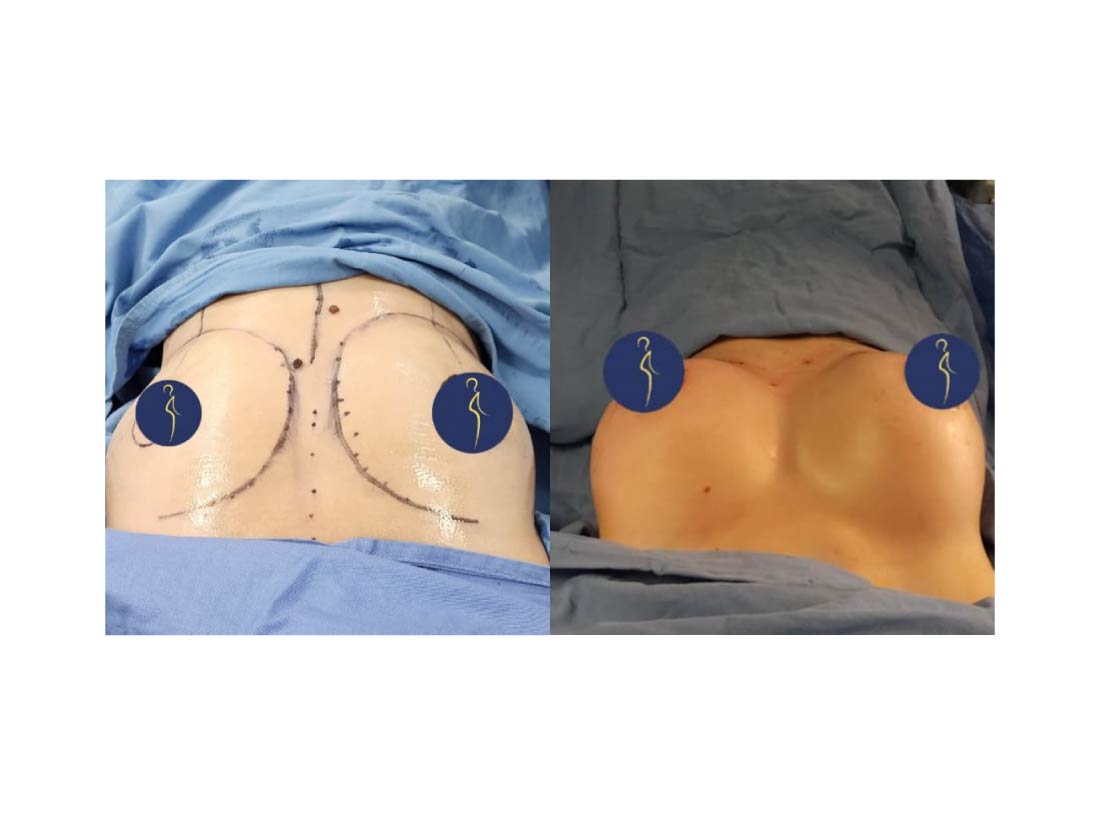
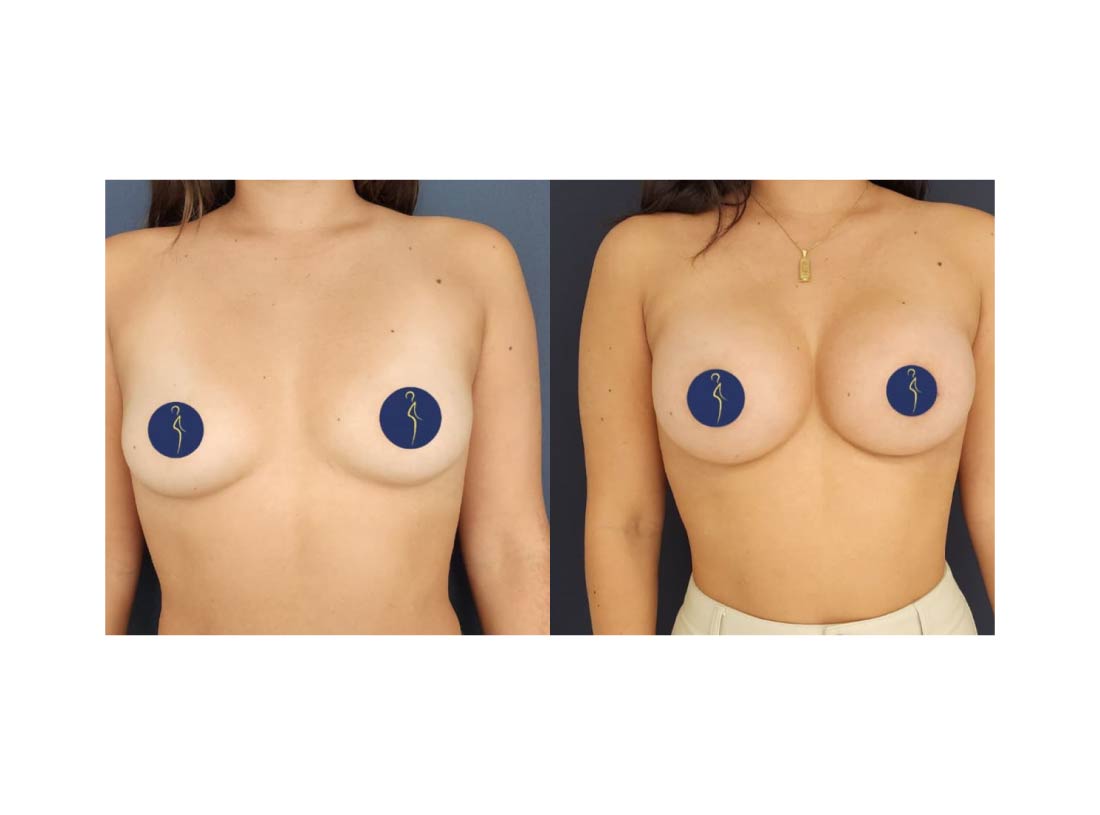


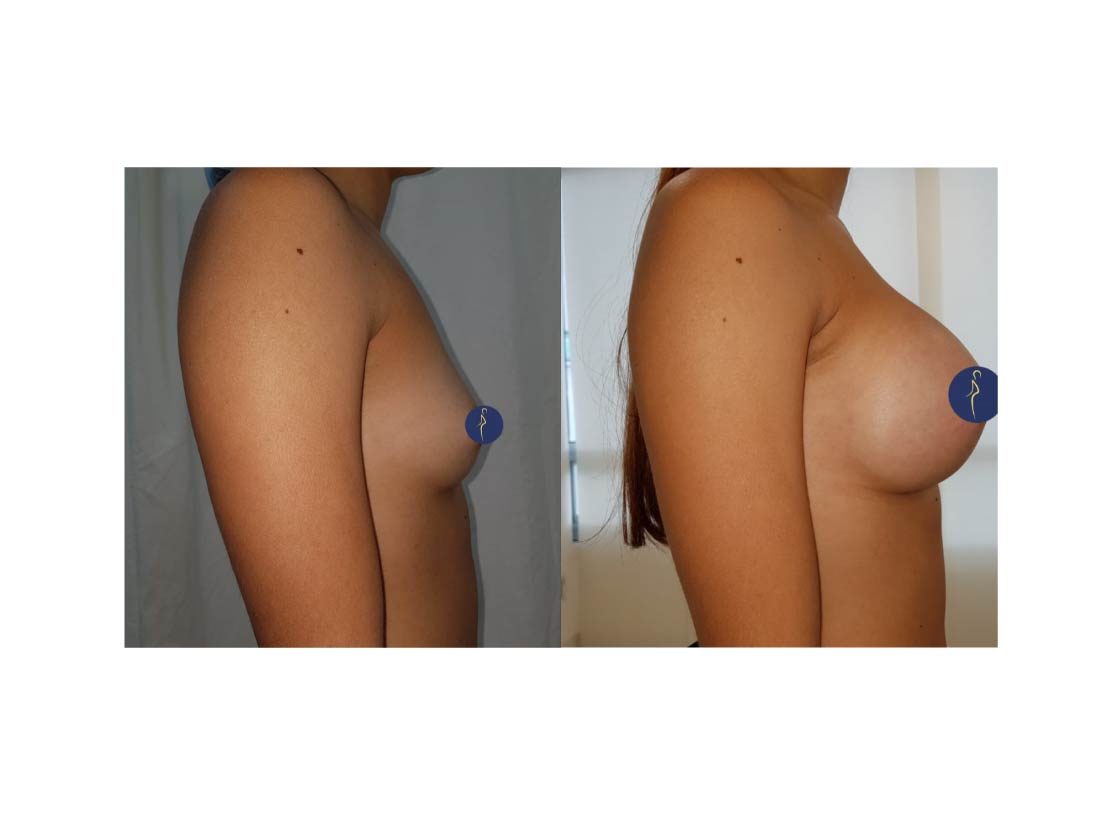
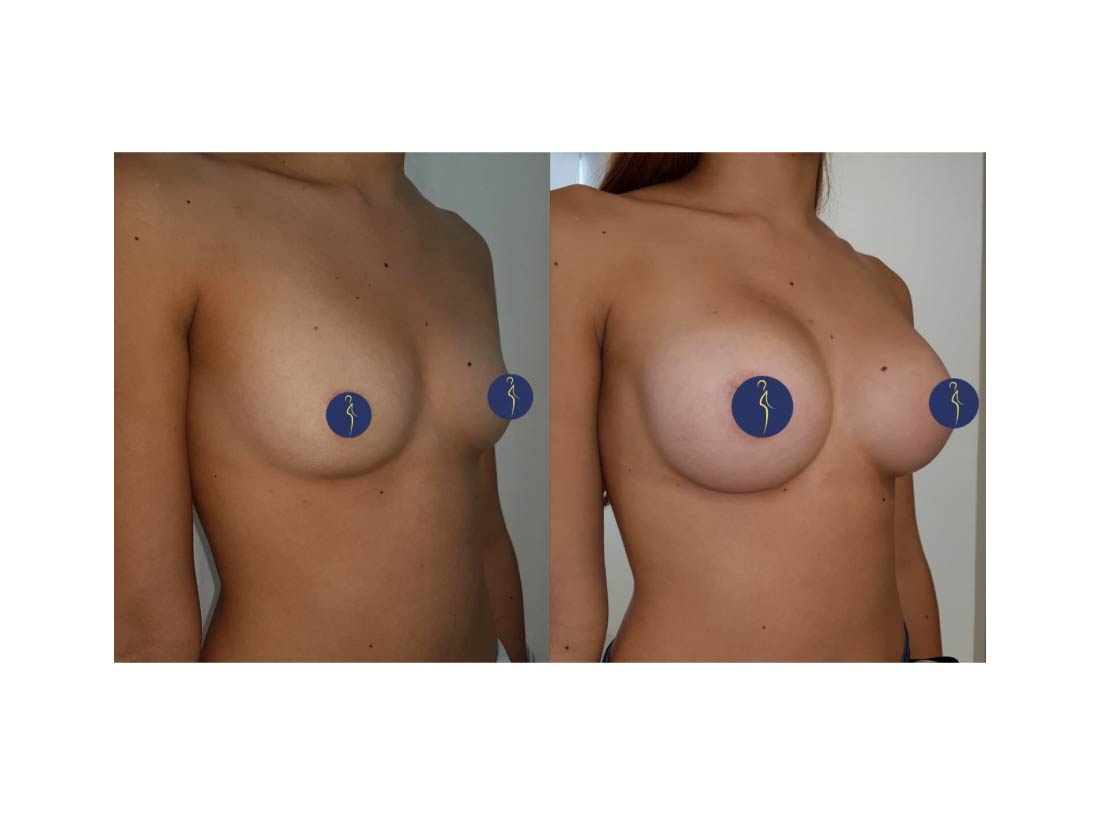
Frequently Asked Questions

Procedure, technique, and what it includes
How is Breast Augmentation performed?
The procedure is performed in certified operating rooms under strict safety protocols.
Surgical technique:
- Strategic incision (inframammary or areolar).
- Creation of implant pocket (subglandular or submuscular).
- Placement of breast implants.
- Closure with high-precision aesthetic sutures.
Surgery duration: 1-2 hours.
Anesthesia: General anesthesia is typically used for maximum comfort and safety.
What techniques are used in breast augmentation?
In breast augmentation, advanced surgical techniques are used to improve breast volume, shape, and projection, achieving natural, harmonious, and safe results.
The technique includes the placement of silicone breast implants, selected in a personalized manner according to the patient’s anatomy, skin quality, and desired outcome. There are different types of implants (round or anatomical, with different profiles and sizes), allowing the procedure to be fully tailored to each case.
Implants can be placed in different planes, with the most commonly used being the submuscular plane (under the muscle), subglandular plane (under the breast gland), or dual plane, which combines both techniques. The choice of plane depends on factors such as breast tissue thickness, the patient’s lifestyle, and the expected aesthetic result.
Incisions can be made in different locations, most commonly in the inframammary fold (under the breast), around the areola (periareolar), or in the axilla. These are strategically planned so that scars are as discreet as possible.
In some cases, breast augmentation may be combined with other procedures such as mastopexy (breast lift), especially in patients with sagging, to achieve a more comprehensive result.
The technique used is always individualized, taking into account each patient’s anatomical characteristics and prioritizing safety, natural results, and body proportion.
What does the procedure include?
- Surgeon’s fees
- Implants
- Operating room
- Anesthesia
- Medical supplies
- Postoperative follow-up
Which is better: round or anatomical implants?
What is the breast augmentation scar like?
What type of incision is best for placing implants in breast augmentation?
Can breast augmentation be combined with other procedures?
Yes. It is commonly combined with:
- Liposuction
- Abdominoplasty
What are the best breast implants?
Should implants be placed above or below the muscle?
It depends on the patient’s anatomy. Implants can be placed in the subglandular plane (above the muscle), submuscular plane (under the muscle), or dual plane. Submuscular placement is commonly preferred.
How is the ideal implant size chosen?
The ideal size is chosen based on chest width, existing breast tissue, skin quality, and the patient’s expectations. The goal is to achieve a safe, proportional, and natural-looking result.

Candidates, benefits, and results
Who is an ideal candidate for Breast Augmentation in Medellín?
- Women with low breast volume
- Patients with volume loss after pregnancy
- Women with breast asymmetry
Are the results of breast augmentation natural?
Can I choose my implant size?
Yes, the patient actively participates in choosing implant size. However, professional guidance is always provided to ensure a safe, proportional outcome that fits the patient’s anatomy.
When will I see the final result of breast augmentation?
How will my body and confidence change after breast augmentation?
Do implants cause breast sagging?

Safety, pain, and medical aspects
Do breast implants cause breast cancer?
Do implants affect breastfeeding?
What happens if an implant ruptures?
Is breast augmentation painful?
What is capsular contracture?
Capsular contracture is a reaction in which scar tissue forms around the implant and hardens. It is uncommon and treatable if it occurs.
Do breast implants affect nipple sensitivity?

Recovery, care, and timing
Recovery after Breast Augmentation in Medellín
Recovery is usually fast and progressive.
Postoperative recommendations:
- Wear a surgical bra for 2 months.
- Avoid lifting heavy objects for 3-4 weeks.
- Avoid intense exercise for 4 weeks.
- Sleep on your back during the first weeks.
- Attend follow-up appointments.
Swelling and results:
- Initial swelling: 2-4 weeks.
- More defined result: 6-8 weeks.
- Final result: approximately 3 months.
When can I return to work after breast augmentation?
- Office work: 5-7 days.
- Physically demanding work: 6 weeks.
Each patient receives personalized follow-up to ensure a safe and optimal recovery.

Duration, changes, and experience
How often should breast implants be replaced?
Will I need another surgery in the future?
What if I don’t like the result over time?
Over the years, preferences or the body may change. Revision procedures can be performed if needed to adjust implant size, shape, or position.

Travel, logistics, and costs
How long should I stay in the city after breast augmentation?
Can I fly after breast augmentation surgery?
How soon can I schedule surgery after consultation?
Breast Augmentation Cost in Medellín
The cost depends on:
- Type of implant
- Clinic
- Procedure complexity
Schedule a private consultation for a personalized surgical plan.
What are the risks of breast augmentation or breast enlargement?
Breast augmentation is a safe procedure when performed by a board-certified plastic surgeon, in an accredited clinic, and with appropriate protocols. However, like any surgery, there are risks that must be understood by the patient.
These risks can be significantly reduced with proper patient selection, correct surgical technique, and strict postoperative follow-up.

Why Choose Me as Your Surgeon?
- Advanced breast augmentation techniques
- Strong focus on safety and precision
- Natural and proportional results
- Personalized surgical planning
- Specialized care for international patients
- VIP patient experience
- Competitive pricing
