info@johnorlasblair.com
Facial Rejuvenation with Natural Results


Facelift Surgery (Rhytidectomy) in Medellín, also known as facial rejuvenation surgery, is a cosmetic and functional plastic surgery procedure designed to restore a more youthful, firm, and natural appearance to the face and neck.
Over time, the face undergoes structural and anatomical changes that go beyond simple skin aging. These include loss of skin elasticity, descent of deep facial tissues, reduction of collagen and elastin, weakening of muscular support structures, and redistribution or loss of facial fat.
These changes lead to visible signs such as facial sagging, loss of jawline definition, formation of jowls, deep nasolabial folds, marionette lines, and excess or lax skin in the neck. Together, they create a tired, aged, and less defined appearance.
Facelift Surgery (Rhytidectomy) is specifically designed to address these changes at a structural level, not only improving the skin surface but repositioning deeper tissues to restore facial harmony in a natural and long-lasting way.
Facelift Surgery (Rhytidectomy) is a comprehensive surgical procedure aimed at restoring a more youthful facial appearance by addressing the underlying causes of facial aging.
Unlike non-surgical treatments that focus on superficial improvements or temporary volume replacement, this procedure works on deeper anatomical structures, particularly the SMAS layer, which plays a key role in facial support.
Through this approach, the surgeon is able to reposition descended tissues, remove excess skin, and redefine facial contours while preserving the natural characteristics of the patient.
Facelift Surgery (Rhytidectomy) is especially effective in improving:





The objective is not to create an artificial or tightened appearance, but rather to achieve a refreshed, natural, and harmonious result that reflects a younger version of the patient.
1
2
The surgeon carefully analyzes facial structure, skin quality, degree of tissue descent, presence of volume loss, and neck condition. This detailed evaluation allows identification of the most appropriate technique and whether complementary procedures may be beneficial.
3
Patient expectations are also discussed in depth to ensure they are realistic and aligned with what can be achieved surgically.
Additionally, the entire procedure is explained step by step, including anesthesia, recovery timeline, risks, and postoperative care.
4
Before undergoing Facelift Surgery (Rhytidectomy), patients are required to complete a series of medical tests to ensure that they are in optimal condition for surgery.
These typically include blood tests such as a complete blood count and coagulation profile. Depending on the patient’s age, medical history, and overall health, additional evaluations such as cardiovascular assessment or other specialized tests may be required.
These studies are essential to minimize surgical risks and ensure patient safety throughout the procedure.
Certain medications and supplements must be discontinued prior to surgery because they can increase the risk of bleeding or interfere with healing.
These include aspirin, ibuprofen, naproxen, anticoagulants, anti-inflammatory drugs, and supplements such as omega-3 fatty acids, vitamin E, ginkgo biloba, garlic, and green tea.
It is important that all medication changes are made under medical supervision. Patients should never stop prescribed medications without consulting their physician.
Following these recommendations is essential to reduce complications and ensure a safe surgical process.
Proper preparation plays a key role in achieving a safe procedure and optimal recovery.
Patients are advised to avoid alcohol consumption for at least two weeks before surgery, as it can affect healing and increase bleeding risk.
Smoking must be completely discontinued at least four weeks prior to surgery, as nicotine significantly impairs blood circulation and increases the risk of complications such as poor healing or skin necrosis.
Maintaining adequate hydration and a balanced diet is also important, as it supports the body’s healing processes and overall recovery.
Ideal candidates for Facelift Surgery (Rhytidectomy) are patients who present visible signs of facial aging and wish to achieve a more youthful and defined appearance.
These typically include individuals with facial sagging, loss of jawline definition, presence of jowls, deep facial folds, and neck laxity.
Candidates should be in good general health, without uncontrolled medical conditions that could increase surgical risk.
It is also essential that patients have realistic expectations and understand the scope and limitations of the procedure.
Facelift Surgery (Rhytidectomy) is not defined by a specific age, but rather by the degree of anatomical changes present.
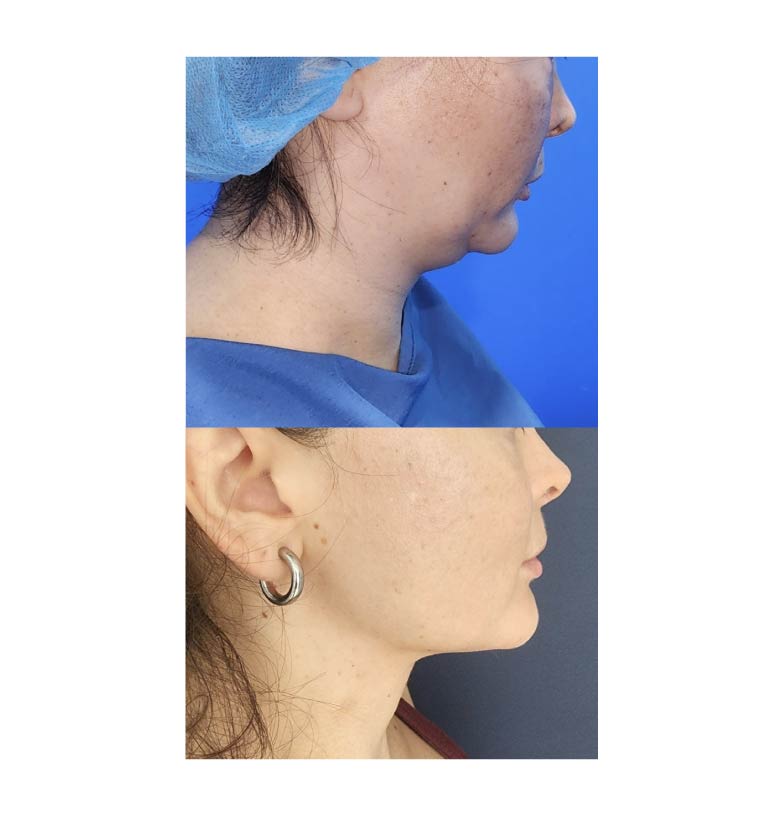
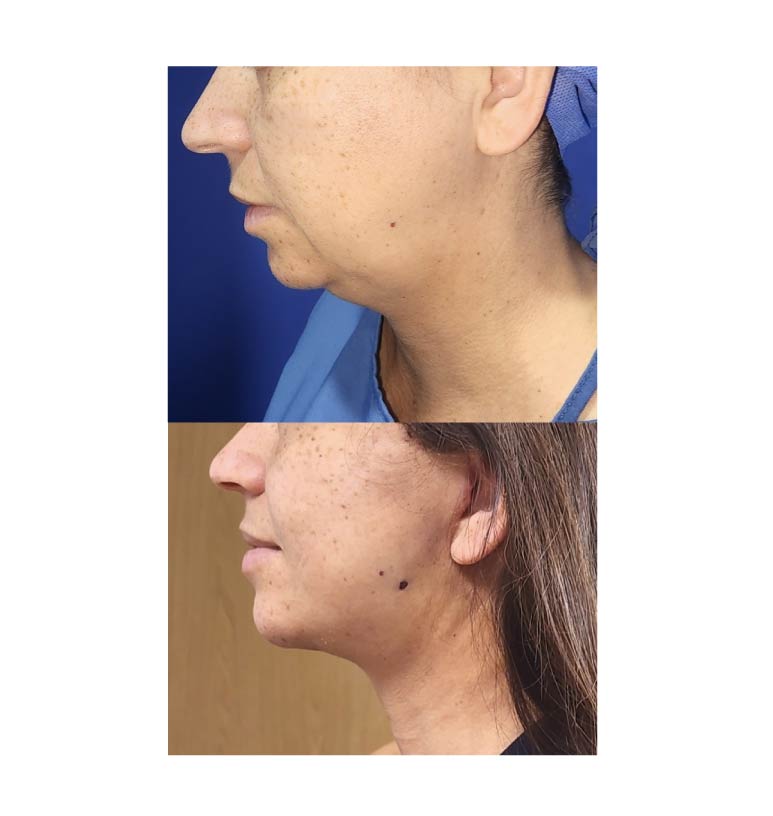
BEFORE & AFTER


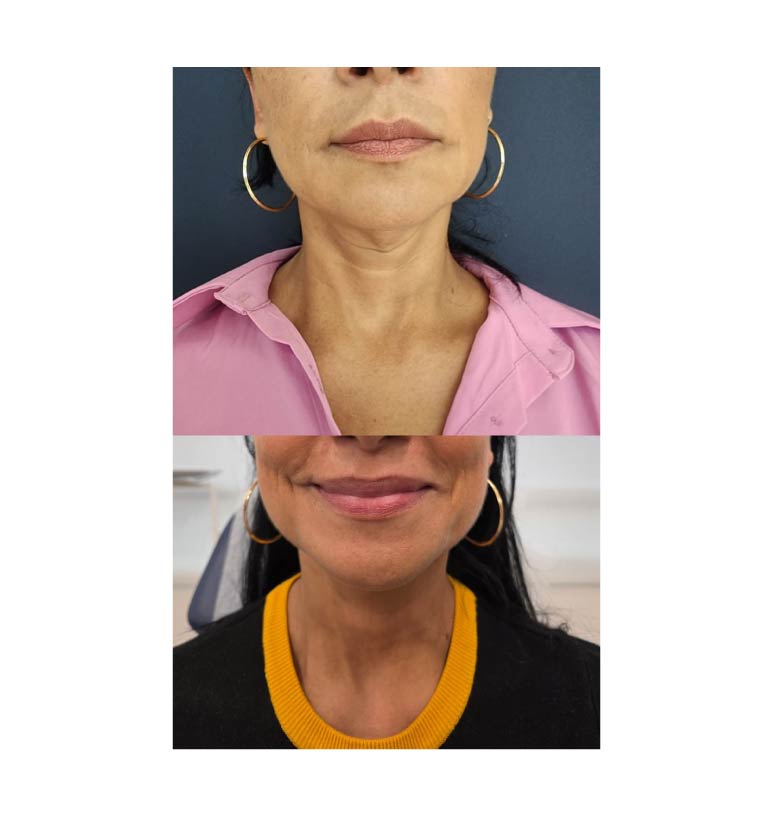
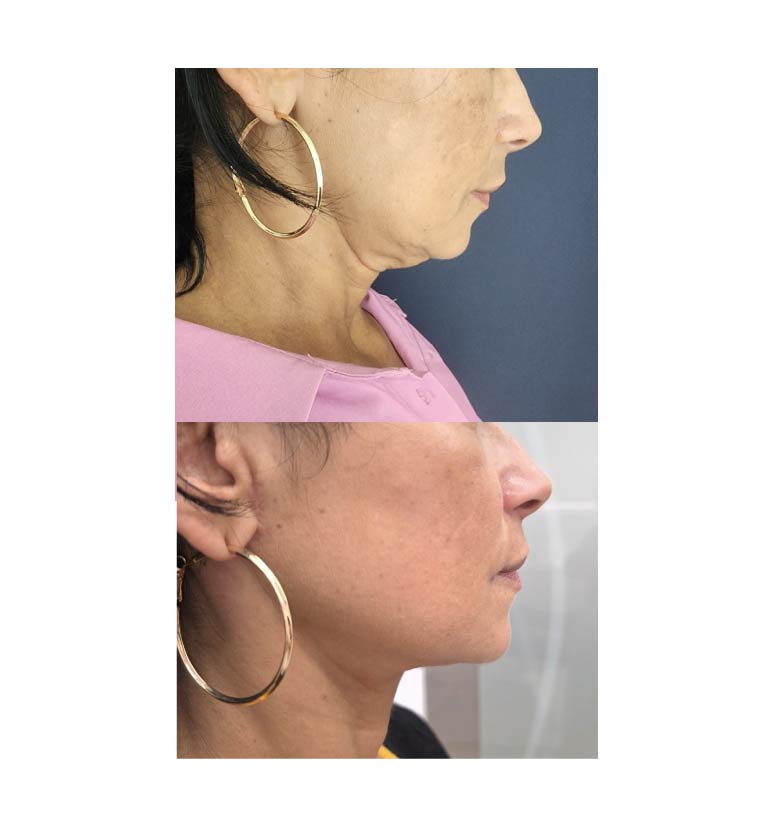
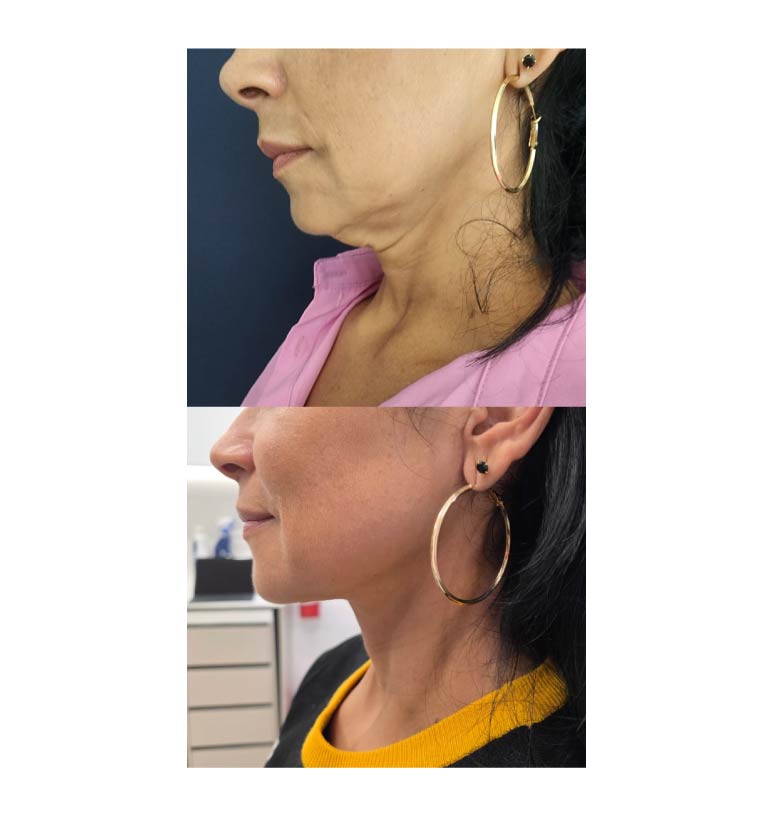
Recovery after Facelift Surgery (Rhytidectomy) is a gradual and structured process that requires careful adherence to medical instructions in order to achieve optimal healing and the best possible aesthetic outcome.
Unlike less invasive procedures, facelift recovery involves multiple phases, each with specific characteristics and care requirements. Although most patients tolerate the recovery well, it is essential to understand that the final result develops progressively over time.
During the first days after surgery, it is normal to experience swelling, bruising, a sensation of tightness, and mild to moderate discomfort in the treated areas. These symptoms are part of the natural inflammatory response of the body.
In some cases, surgical drains may be placed temporarily to prevent the accumulation of fluid or blood. These are usually removed within the first few days.
Patients are advised to avoid sudden movements, and keep the head elevated at all times, including during sleep. This position helps reduce swelling and promotes proper circulation.
Cold compresses may be recommended in certain cases to help control inflammation. Pain is typically well managed with prescribed medication.
It is also common to experience temporary numbness or altered sensitivity due to manipulation of facial tissues. This usually improves gradually over time.
Walking is a very important parto f recovery part to avoid clots in veins.
During this phase, swelling and bruising begin to decrease progressively. The face may still appear slightly swollen, but overall improvement becomes noticeable.
Sutures are typically removed within the first week, depending on the surgeon’s evaluation. Patients can begin to resume light daily activities, such as walking or basic tasks, while still avoiding physical exertion.
It is important to avoid bending, lifting weight, or any activity that increases blood pressure in the face, as this could increase the risk of complications such as bleeding.
At this stage, patients should continue to follow all postoperative instructions strictly, including wound care and hygiene.
By this stage, most visible signs of surgery, such as bruising, have significantly improved. Swelling continues to decrease, and facial contours begin to appear more defined.
Patients generally feel more comfortable resuming social activities and interacting in public settings.
Intense physical activity should still be avoided.
The overall appearance becomes more natural, although the healing process is still ongoing internally.
During this phase, tissues continue to settle into their new position, and residual swelling progressively resolves.
Facial contours become more refined, and results appear increasingly natural. Patients often notice a significant improvement in facial harmony and definition.
Sensitivity continues to normalize, and any residual tightness gradually disappears.
Scars begin to mature and soften, becoming less noticeable over time.
The final results of Facelift Surgery (Rhytidectomy) become fully evident as all swelling resolves and tissues stabilize.
At this stage, the face appears rejuvenated, with improved definition, smoother contours, and a natural, refreshed appearance.
Scars are typically well concealed and continue to improve in quality over time. In some cases, full scar maturation may take up to one year.
Patience during the recovery process is essential, as the most refined and natural results develop gradually.
Important care during recovery after Facelift Surgery (Rhytidectomy)
Proper postoperative care is essential to ensure safe healing and optimal results.
Patients should strictly avoid direct sun exposure for at least 4 to 8 weeks, as ultraviolet radiation can negatively affect healing and lead to pigmentation changes in scars.
The use of sunscreen and protective measures such as hats or sunglasses is strongly recommended.
Smoking and alcohol consumption should be completely avoided, as they can impair circulation and delay healing.
Adequate hydration and a balanced diet support tissue repair and overall recovery.
All prescribed medications must be taken as directed, and follow-up appointments should never be missed, as they allow proper monitoring of the healing process.

Facelift Surgery (Rhytidectomy) is performed in an accredited surgical facility under strict safety protocols, ensuring optimal conditions for patient safety and surgical precision.
The procedure begins with a detailed preoperative analysis and personalized surgical marking. During this phase, the surgeon carefully evaluates facial anatomy, degree of aging, skin quality, and desired outcomes in order to design a tailored surgical plan.
Anesthesia is then administered, most commonly general anesthesia, although in selected cases it may be performed with sedation.
Incisions are strategically placed around the ears and along the hairline to allow access to deeper structures while ensuring that scars remain discreet and well concealed.
Through these incisions, the surgeon carefully dissects and repositions the SMAS layer or, in more advanced techniques, works at a deeper plane to release retaining ligaments and reposition facial tissues more effectively. This step is critical for achieving natural and long-lasting results.
Excess skin is then removed without creating excessive tension, which helps avoid an artificial appearance. In many cases, the procedure is combined with a neck lift to improve cervical contour, eliminate excess fat, and correct muscle banding.
Finally, all tissues are closed using fine, high-precision sutures. Over time, scars become progressively less visible and are typically well hidden within natural anatomical lines.
The duration of Facelift Surgery (Rhytidectomy) varies depending on the complexity of the case and the techniques used. On average, the procedure takes around 4 hours.
Less extensive procedures, such as a mini facelift, may take less time, while more advanced approaches such as deep plane facelift combined with neck lift or additional procedures may require a longer operative time.
The duration also depends on whether complementary procedures such as fat grafting, eyelid surgery, or skin treatments are performed simultaneously.
A thorough preoperative evaluation allows for accurate planning of surgical time and ensures optimal results.
There are several advanced surgical techniques used in Facelift Surgery (Rhytidectomy), and the choice depends on the patient’s anatomy, degree of aging, and desired outcome.
The SMAS technique is one of the most commonly used approaches and involves repositioning the superficial musculoaponeurotic system to restore facial structure and achieve natural, long-lasting results.
The deep plane facelift is a more advanced technique that works at a deeper anatomical level, releasing retaining ligaments and allowing more extensive repositioning of facial tissues. This is particularly useful in patients with more advanced aging.
The mini facelift is a less invasive option indicated for early signs of aging. It involves smaller incisions and a shorter recovery time but provides more limited results.
In many cases, facelift surgery is combined with a neck lift to address cervical laxity, as well as fat grafting to restore lost volume.
Complementary technologies such as laser or radiofrequency may also be used to improve skin quality and enhance overall results.
The type of facelift recommended depends on the patient’s facial anatomy, degree of aging, and aesthetic goals.
Patients with mild signs of aging may benefit from a mini facelift, while those with more advanced tissue descent may require a full facelift or deep plane technique.
A thorough evaluation allows the surgeon to determine the most appropriate approach to achieve natural and long-lasting results.
Facelift surgery focuses on the face, particularly the mid and lower regions, while a neck lift targets the neck area.
Both procedures are often combined to achieve a harmonious and balanced result.
Yes. It is very common to combine facelift surgery with other procedures such as eyelid surgery, fat grafting, neck lift, or skin treatments.
This allows for a more comprehensive facial rejuvenation and enhances overall results.
In most cases, Facelift Surgery (Rhytidectomy) is combined with a neck lift to address sagging skin, excess fat, and muscle bands in the neck.
This provides a more defined jawline and a smoother cervical contour.

Ideal candidates for Facelift Surgery (Rhytidectomy) are individuals who present moderate to advanced signs of facial aging, such as skin laxity, descent of facial tissues, loss of jawline definition, jowls, and neck sagging.
Candidates should be in good general health, without uncontrolled medical conditions that may increase surgical risk.
It is also essential that patients have realistic expectations and a clear understanding of what the procedure can achieve.
Facelift surgery is not defined by age alone, but by the anatomical changes present in each individual.
There is no specific age at which Facelift Surgery (Rhytidectomy) should be performed.
While many patients consider the procedure after the age of 40, the decision is based primarily on the degree of facial aging rather than chronological age.
Some individuals may benefit earlier due to genetic factors, while others may not require surgery until later. A personalized evaluation is essential to determine the right timing.
Non-surgical treatments such as fillers, botulinum toxin, or skin-tightening technologies can improve early signs of aging.
However, they do not reposition tissues or remove excess skin. When there is significant facial sagging, loss of definition, or structural aging, Facelift Surgery (Rhytidectomy) is the only option that provides a definitive and long-lasting correction.
Facelift Surgery (Rhytidectomy) is widely considered the most effective procedure for long-term facial rejuvenation.
Unlike temporary treatments, it provides structural correction of facial aging, delivering results that can last many years.
For patients seeking a significant and lasting improvement in their appearance, it is often a highly satisfying investment in both aesthetics and confidence.
The results of Facelift Surgery (Rhytidectomy) are designed to be natural, harmonious, and long-lasting, avoiding an artificial or overly tightened appearance.
Patients typically notice a significant improvement in facial definition, particularly along the jawline, as well as a reduction in sagging and deep folds. The neck also appears firmer and more contoured when it is treated as part of the procedure.
One of the most important aspects of modern facelift techniques is that they focus on repositioning deep tissues rather than simply tightening the skin. This approach allows the results to look more natural and age appropriately over time.
Although improvement is visible relatively early, the final result continues to refine over several months as swelling resolves and tissues settle into their new position.
When properly performed, the outcome is a refreshed, youthful appearance that maintains the patient’s natural facial identity.
Results typically last between 10 and 15 years, depending on factors such as genetics, lifestyle, and skin quality.
Although aging continues naturally, patients will always appear younger compared to if they had not undergone the procedure.
Yes. Facelift surgery does not stop the aging process, but it effectively resets the facial appearance to a more youthful stage.
Over time, natural aging will continue, but the improvement achieved remains significant and long-lasting.
Maintaining a healthy lifestyle, avoiding smoking, protecting the skin from sun exposure, and following a proper skincare routine help prolong results.
Complementary treatments may also enhance longevity.

Yes. One of the main goals of modern Facelift Surgery (Rhytidectomy) is to achieve natural and harmonious results.
Advanced surgical techniques focus on repositioning deep facial structures rather than simply tightening the skin. This allows the face to maintain its natural expression and proportions.
When properly performed, the result is a refreshed and rejuvenated appearance, without the “pulled” or artificial look often associated with outdated techniques.
No. When performed correctly, Facelift Surgery (Rhytidectomy) preserves the patient’s natural facial expression.
The procedure focuses on restoring structure and repositioning tissues without altering the fundamental characteristics of the face.
No. Modern facelift techniques are specifically designed to avoid an artificial appearance.
By working on deeper anatomical layers and avoiding excessive tension on the skin, the results appear natural and balanced.
No. Modern techniques avoid excessive skin tension and focus on repositioning deep tissues, resulting in a natural and refreshed appearance.
Unnatural results are usually associated with outdated techniques that rely only on tightening the skin.
Modern approaches prioritize structural repositioning, preserving natural facial expression.
Scars are strategically placed around the ears and along the hairline, making them discreet and well concealed.
Over time, they become progressively less visible and, in many cases, are barely noticeable.
Many patients experience a significant improvement in self-esteem and confidence after surgery.
However, it is important to maintain realistic expectations, as the procedure enhances appearance but does not change personal identity.

Postoperative care after Facelift Surgery (Rhytidectomy) is a fundamental part of the overall success of the procedure, as it directly influences healing, the quality of the final result, and the prevention of complications.
During the first days after surgery, it is essential to maintain the head elevated, even while sleeping, as this helps reduce swelling and improves circulation in the treated area. Patients are advised to rest adequately, avoiding sudden movements or positions that may generate tension on the surgical sites.
In many cases, the use of a compression garment or facial bandage is indicated. This helps control swelling, support the repositioned tissues, and promote proper adaptation of the skin to the new contours.
Strict avoidance of sun exposure is essential, as ultraviolet radiation can affect healing and lead to pigmentation changes in the scars.
Makeup should be avoided during the initial phase until the surgeon confirms that the skin has healed adequately. Similarly, physical exertion, heavy lifting, and intense exercise must be postponed for several weeks, as they may increase the risk of bleeding or delayed healing.
It is crucial to follow all medical instructions regarding medications, wound care, and hygiene. Patients must attend all scheduled follow-up appointments, as these allow proper monitoring of recovery and early detection of any potential complications.
Proper postoperative care is key to achieving safe, natural, and long-lasting results.
The time required to return to work depends on the nature of the patient’s daily activities and the extent of the surgery.
For patients with administrative or office-based work, it is generally possible to return within 2 to 3 weeks, once swelling and bruising have sufficiently improved.
For patients whose work involves physical exertion, heavy lifting, or intense activity, a longer recovery period of approximately 4 – 6 weeks is recommended.
It is important to understand that although patients may feel better earlier, visible signs of recovery such as mild swelling may persist for several weeks. For this reason, returning to work should be individualized based on recovery progress and medical recommendations.
Makeup can typically be resumed between 2 and 3 weeks after surgery, depending on healing progress and medical evaluation.
Intense physical activity should be avoided for approximately 4 to 6 weeks.
Gradual return to exercise should be guided by the surgeon based on recovery progress.
Facelift surgery is generally well tolerated.
Discomfort is usually mild to moderate and can be effectively managed with prescribed medication during the recovery period.

Although most recoveries are uneventful, it is essential for patients to recognize warning signs that may indicate a complication and require immediate medical attention.
These include severe or increasing pain that is not controlled with medication, sudden or asymmetric swelling (which may indicate a hematoma), persistent bleeding, or signs of infection such as fever, redness, warmth, or discharge from the surgical site.
Changes in skin color, particularly darkening or areas that appear compromised, should also be evaluated promptly, as they may indicate vascular issues.
Early detection and timely medical intervention are critical to prevent more serious complications.
Certain factors can increase the likelihood of complications during or after Facelift Surgery (Rhytidectomy).
Smoking is one of the most significant risk factors, as it affects blood circulation and tissue healing.
Pre-existing medical conditions such as uncontrolled hypertension, diabetes, or coagulation disorders can also increase surgical risk.
Advanced age combined with poor skin quality may affect healing and final results.
Failure to follow medical instructions, both before and after surgery, can significantly increase the risk of complications.
Identifying and managing these factors is essential to ensure patient safety.
Minimizing risks begins with choosing a qualified and experienced plastic surgeon who is trained in facial procedures and works in an accredited surgical facility.
A complete preoperative evaluation allows identification of potential risk factors and ensures that the patient is an appropriate candidate for surgery.
Strict adherence to all medical recommendations before and after surgery is essential. This includes discontinuing certain medications, avoiding smoking, and following postoperative care instructions.
Attending all follow-up appointments allows for proper monitoring of recovery and early detection of any issues.
When these measures are followed, the safety and success of Facelift Surgery (Rhytidectomy) are significantly enhanced.
The cost of Facelift Surgery (Rhytidectomy) can vary significantly depending on multiple factors, as each procedure is highly personalized.
These factors include the type of facelift performed (mini, SMAS, deep plane), the complexity of the case, whether additional procedures such as neck lift or fat grafting are included, the surgical facility, and the experience and qualifications of the surgeon.
It is important to understand that this is not a standardized procedure, and therefore a personalized evaluation is required to determine the most appropriate surgical plan and its associated cost.
The cost of surgery depends on several factors, including:
A personalized evaluation is required to determine the cost.
Facelift Surgery (Rhytidectomy) is a safe and effective procedure. However, as with any surgical intervention, there are potential risks that must be clearly understood by the patient.

